Financial crimes know no borders
Money can cross borders in seconds. A request for mutual legal assistance may take months.
This gap is one of the key challenges in countering modern financial crime.
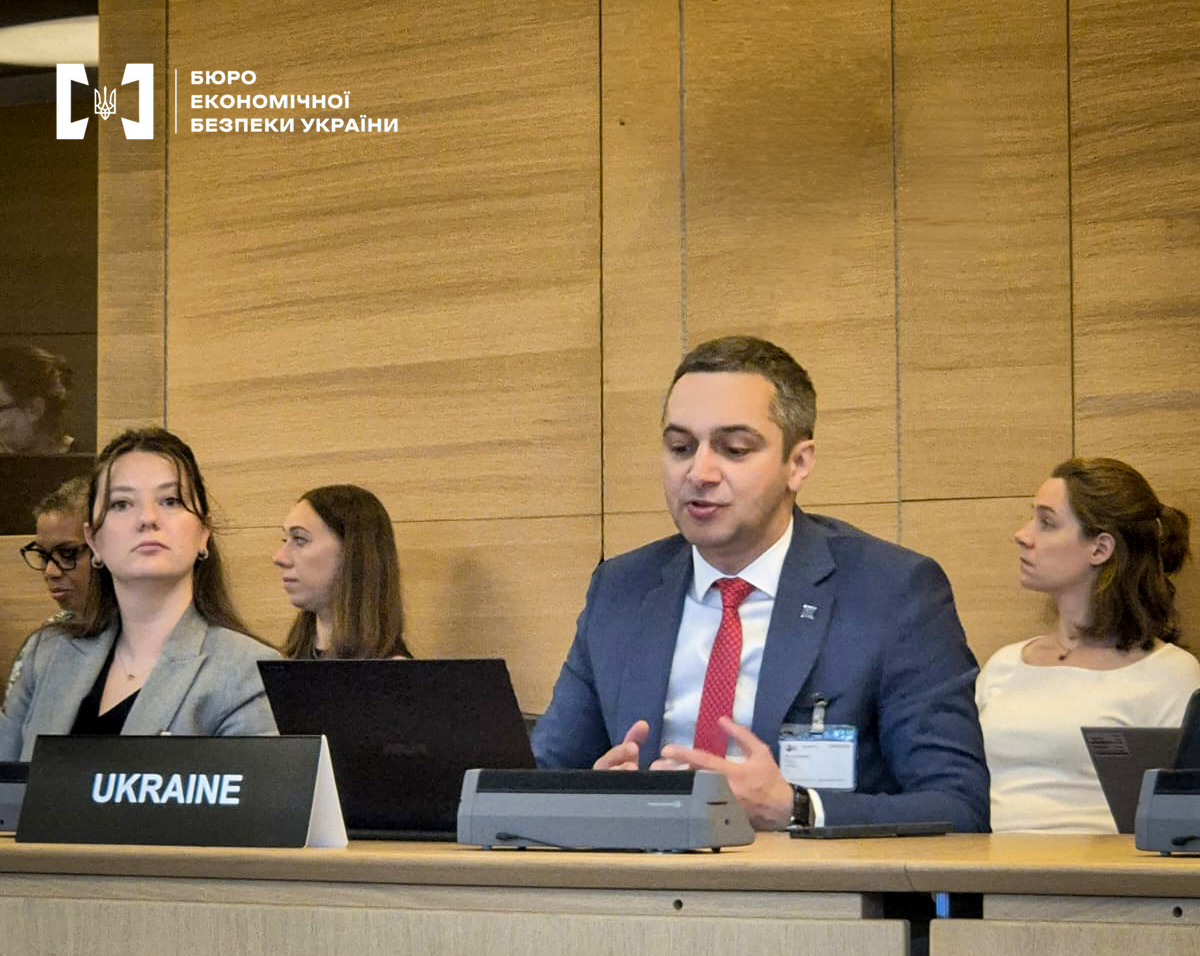
This was one of the central themes discussed during the OECD meetings in Paris in May, where the Economic Security Bureau of Ukraine was represented by First Deputy Director Taras Shcherbai — at the Tax Crime Enforcement Network (TCEN) and the OECD Task Force on Tax Crimes and Other Financial Crimes.
The meetings brought together representatives of the United States, France, the United Kingdom, Canada, the Netherlands, as well as senior officials from law enforcement and tax authorities of many other countries.
For the ESBU, this participation had clear practical value. Partners shared real cases and experience on how they use financial analytics and modern digital tools, including AI-based solutions; how they trace assets moved abroad; and how they build cooperation between jurisdictions when money, documents, and participants in a scheme are located in different countries.
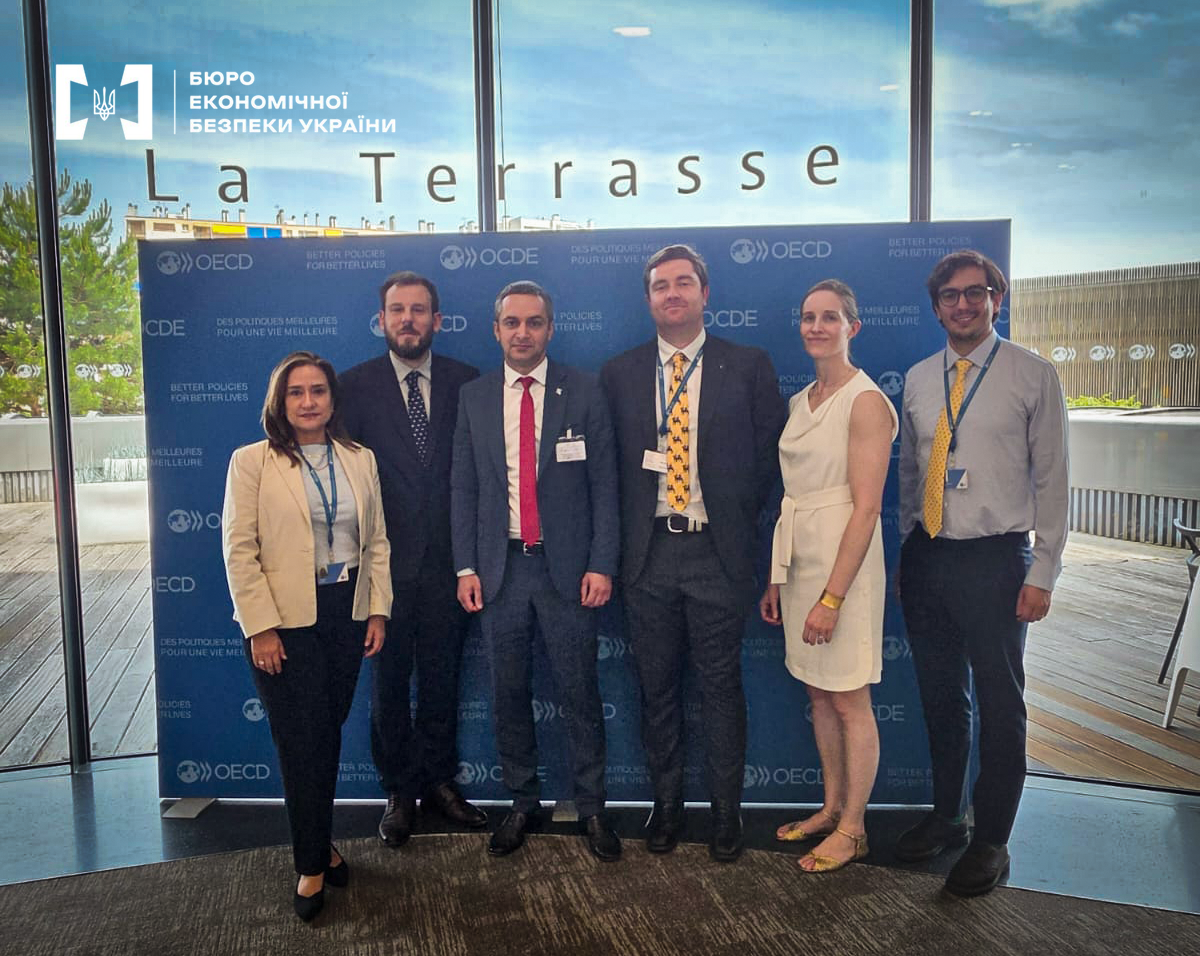
Equally important is direct professional contact with counterparts from other jurisdictions. In international investigations, trust does not appear automatically after an official request is sent. It has to be built in advance. Because when a concrete case emerges, there is almost no time left to find the right contacts or explain the context from the beginning.
Taras Shcherbai addressed the OECD Task Force with a presentation on the ESBU reform and internal integrity: recruitment, vetting, internal control, and accountability.
The key message was clear: the integrity of an institution responsible for protecting the economic security of the state is not a matter of image. It is a condition for trust. Without it, partners will not share sensitive information, and international cooperation risks remaining only a formality.
This dialogue is already producing concrete results: following the meetings, the ESBU was invited to nominate staff for a long-term OECD capacity-building programme focused on countering base erosion and profit shifting.
Another important element of the international engagement was the visit of the Ukrainian delegation to Eurojust. The focus was on coordinating the use of Joint Investigation Teams in criminal proceedings where effectiveness depends on rapid cooperation between several states.
We are sincerely grateful to the U.S. Embassy in Kyiv and the Bureau of International Narcotics and Law Enforcement Affairs of the U.S. Department of State (INL) for their consistent and practical support to the ESBU, including assistance in strengthening our international partnerships, professional communication, and institutional capacity.
We also thank the OECD Secretariat and Eurojust for their open, substantive, and practical dialogue.
For Ukraine, such cooperation is not a formality. It is a real contribution to our ability to counter financial crime faster, more professionally, and more effectively — in a world where financial crime no longer respects borders.