Gender equality
The implementation of gender equality within the Economic Security Bureau of Ukraine is an integral part of the national policy aimed at ensuring equal rights and opportunities for men and women in all spheres of public life. Ukraine has adopted a series of laws and regulations that provide the legal framework for the realization of gender equality, in particular, the Law of Ukraine «On Ensuring Equal Rights and Opportunities for Women and Men» and numerous international agreements ratified by Ukraine. Based on these documents, the ESBU ensures equal opportunities for its employees regardless of gender.
To achieve gender equality, mechanisms have been established to monitor compliance with gender equality principles at all stages of the ESBU's activities, from recruitment to strategic decision-making. This includes the introduction of quotas for women in leadership positions, monitoring the gender composition of staff, and implementing anti-discrimination policies and procedures. Awareness-raising campaigns are conducted among ESBU employees to reduce the influence of stereotypes and increase awareness of the importance of gender equality.
In accordance with ESBU Order No. 182 dated September 30, 2025, Yurii Bielousov, Deputy Director for Digital Development, Digital Transformations, and Digitization of the Economic Security Bureau of Ukraine, has been appointed as the authorized person for ensuring equal rights and opportunities for women and men, as well as for the prevention and combating of gender-based violence within the ESBU.
To ensure equal rights and opportunities for women and men, the Economic Security Bureau of Ukraine has launched a gender audit in accordance with ESBU Order No. 34 dated February 28, 2025. The audit will encompass both the central and territorial offices of the Bureau. The working group conducting the audit includes ESBU employees and experts from UN Women in Ukraine.
Events
April 2026
By Order of the Economic Security Bureau of Ukraine dated April 2, 2026, No. 155, the Commission for the Consideration of Appeals Regarding Cases of Gender-Based Discrimination, Gender-Based Violence, and Sexual Harassment was established.
The main goal of the Commission's activities is to consider relevant appeals and promptly respond to recorded facts. The Commission ensures compliance with the principles of legality, the rule of law, collegiality, objectivity, and impartiality, safeguarding human rights and gender equality.
The procedure for considering appeals is carried out taking into account the approaches of the Procedure for Responding to Cases of Gender-Based Discrimination, approved by Resolution of the Cabinet of Ministers of Ukraine dated February 18, 2026, No. 226.
December 2024
The Economic Security Bureau of Ukraine is strengthening the implementation of gender equality principles in accordance with European standards.
Based on the results of a gender audit, the Economic Security Bureau of Ukraine issued Order No. 257, dated December 12, 2025, approving the Roadmap for Addressing Identified Issues in Ensuring Equal Rights and Opportunities for Women and Men for 2026–2028.
This decision was made in accordance with the Law of Ukraine «On Ensuring Equal Rights and Opportunities for Women and Men,» the Law of Ukraine «On the Economic Security Bureau of Ukraine,» the Regulations on the Economic Security Bureau of Ukraine, and the Operational Action Plan for 2025–2027 for the implementation of the State Strategy for Ensuring Equal Rights and Opportunities for Women and Men for the period until 2030, approved by the Cabinet of Ministers of Ukraine Resolution No. 439-p dated May 2, 2025.
The document aims to implement a comprehensive gender-mainstreaming approach and adhere to the principles of inclusion within the activities of the Economic Security Bureau of Ukraine, taking into account recommendations provided by the gender audit conducted at the ESBU headquarters and regional offices.
The Roadmap outlines a set of measures designed to integrate gender equality principles into the Bureau’s activities, enhance internal processes, foster a safe and non-discriminatory work environment, and strengthen the institutional capacity of the ESBU in line with European standards.
The implementation of the Roadmap is a significant step toward fulfilling Ukraine's international obligations, implementing good governance principles, and strengthening the state's European integration course. The Economic Security Bureau of Ukraine consistently implements modern European practices, establishing equality, transparency, and respect for human rights as core values of its activities.
December 2025
Female employees of the Economic Security Bureau of Ukraine participated in a training session dedicated to the implementation of a gender-responsive budgeting approach.
The event was aimed at raising awareness among employees of various institutions regarding how budgetary decisions impact different social groups and developing practical skills for applying gender-responsive budgeting (GRB) in accordance with modern international standards and national legislative requirements. Participants were introduced to the key concepts, principles, and methodology of GRB, which is regarded as an effective public financial management tool. It allows for the analysis of the potential gender impact of policies, the identification and elimination of inequalities, and the assurance of equal opportunities for various social groups. The presentation covered the core components of GRB—from integrating a gender approach into all stages of the budgetary process to ensuring the accountability of government authorities for implementing gender equality commitments.
Special attention was paid to the four-stage methodology of implementing a gender approach—ranging from the analysis of the regulatory framework and budget programs to managerial decision-making and performance monitoring.
As part of the practical session, participants familiarized themselves with recommended forms for documenting analysis results and developing proposals to improve budget programs. The training served as an important step in strengthening professional competencies and fostered a deeper understanding of how the budget can become a powerful instrument for ensuring equal rights and opportunities for all citizens. The knowledge and approaches gained will contribute to the development of more effective, people-centered budget policies.
October 2025
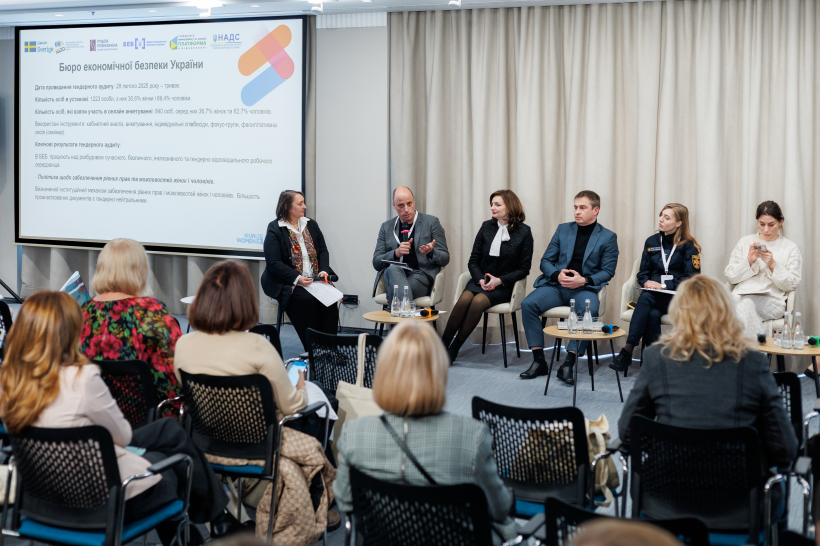
The ESBU joined the conference «Gender Audit as a Tool for Gender-Responsive Recovery»
Representatives of the Economic Security Bureau of Ukraine participated in the conference «Gender Audit as a Tool for Gender-Responsive Recovery.»
During the conference, participants discussed the significance of gender auditing as an effective tool for integrating the principles of equal rights and opportunities for women and men into the activities of state institutions. They also shared best practices for implementing gender-sensitive policies in the public sector.
The Economic Security Bureau of Ukraine was represented by the Coordinator for Ensuring Equal Rights and Opportunities for Women and Men—Deputy Director for Digital Development, Digital Transformations, and Digitization, Yurii Bielousov. In his speech, he emphasized the importance of applying a gender-based approach to management processes and the internal development of the Bureau while also sharing experiences in implementing gender-oriented practices within the agency’s operations.
The ESBU systematically integrates the principles of equal rights and opportunities into its activities in accordance with the state strategy for ensuring gender equality, contributing to the formation of an inclusive, safe, and fair work environment.
The event was organized by the UN Women project «Transformative Approaches to Achieving Gender Equality in Ukraine,» funded by the Government of Sweden, in partnership with the Government Commissioner for Gender Policy, the National Agency of Ukraine on Civil Service, and the Office of the Vice Prime Minister for European and Euro-Atlantic Integration.
July 2025
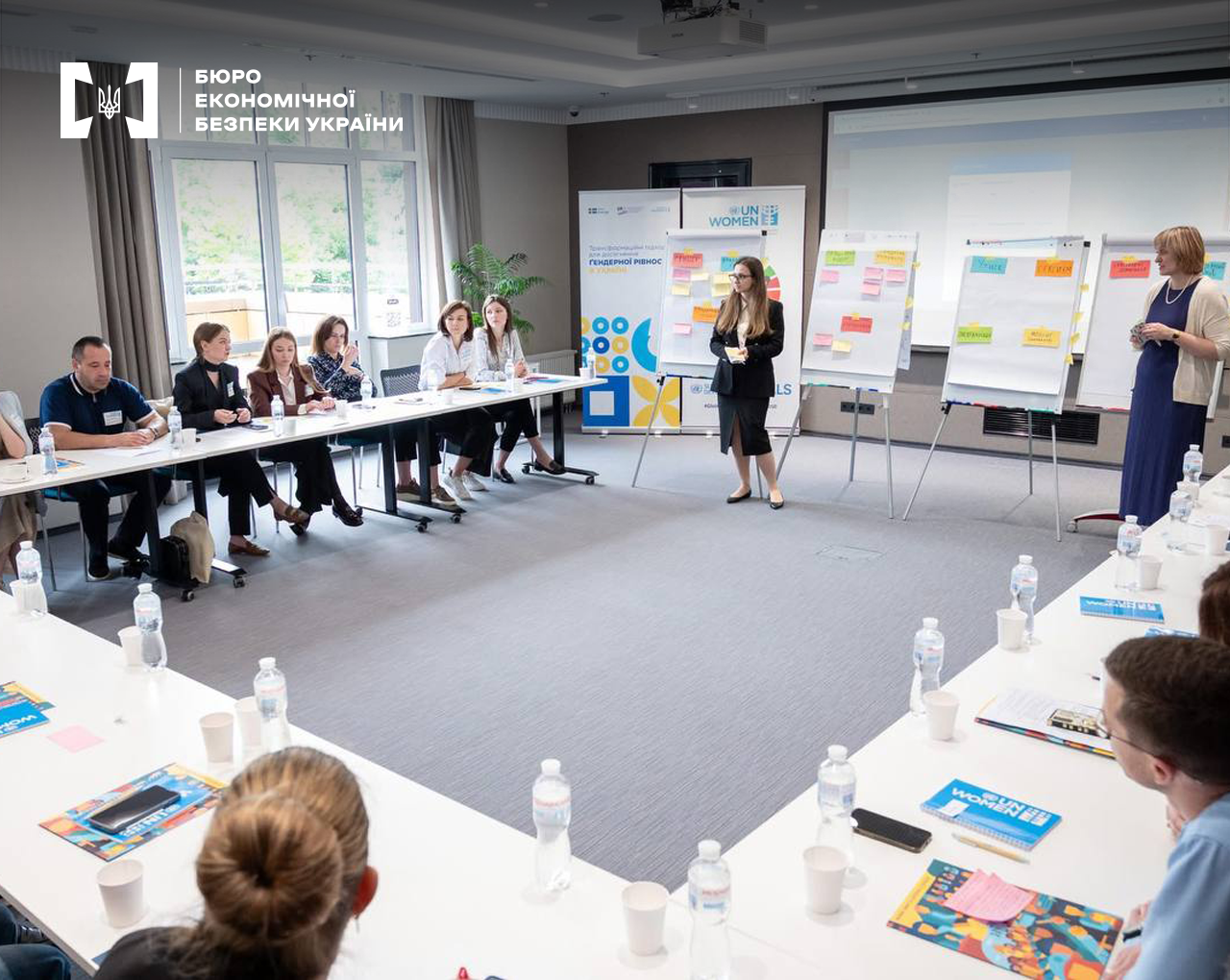
Employees of the Economic Security Bureau of Ukraine joined a facilitation session organized by UN Women in Ukraine as part of the ESBU gender audit
During the event, participants conducted a self-assessment of organizational policies and practices regarding gender equality, analyzed organizational culture, and discussed the distribution of responsibilities and barriers that may hinder the achievement of equal opportunities for women and men.
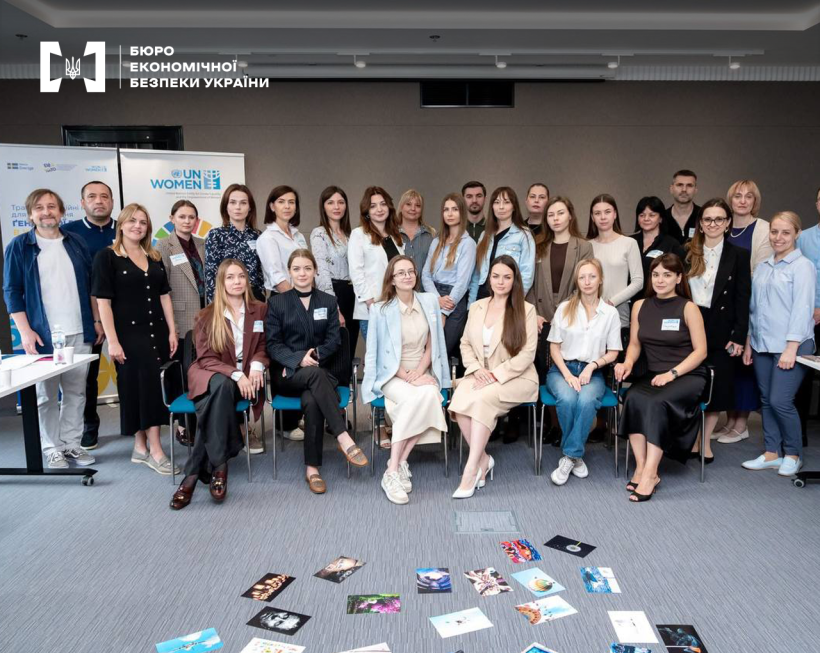
The session served as a platform for dialogue, the exchange of experiences, and the formulation of joint recommendations regarding the ESBU's further steps in implementing a gender-sensitive approach.
The event was facilitated by Irena Protsiv, UN Women in Ukraine Program Analyst, and Nataliia Sviderska, UN Women in Ukraine National Consultant.
Background Information: Within the framework of implementing the State Strategy through 2030 and the Operational Plan, the ESBU—with expert and technical support from UN Women in Ukraine and financial support from the Government of Sweden—has initiated a gender audit, as mandated by ESBU Order No. 34 dated February 28, 2025.
April 2025
A gender audit has commenced at the Economic Security Bureau of Ukraine
With the aim of ensuring equal rights and opportunities for women and men, the Economic Security Bureau of Ukraine has initiated a gender audit in cooperation with UN Women in Ukraine. At the inaugural meeting of the working group, participants outlined the primary stages of the audit and the scheduled activities.
In accordance with the Bureau's Order No. 34 dated February 28, 2025, «On Conducting a Gender Audit at the Economic Security Bureau of Ukraine,» the audit will cover both the central headquarters and the regional (territorial) offices of the ESBU. The working group includes Bureau staff as well as experts from UN Women in Ukraine.
According to Maksym Kuterha, the ESBU Deputy Director for Digital Development, Digital Transformations, and Digitization—who serves as the Coordinator for Ensuring Equal Rights and Opportunities for Women and Men—conducting this gender audit will allow for an assessment of the current state of equal rights within the Bureau, while also identifying challenges and determining future steps.
In turn, Tetiana Kudina, UN Women in Ukraine Program Coordinator, emphasized the importance of the gender audit in the context of Ukraine's European integration and the necessity of strengthening the institutional mechanism for ensuring equal rights and opportunities.
At the conclusion of the meeting, the participants approved the plan and stages for the gender audit.
Additionally, an information session was held for the working group members with the participation of UN Women in Ukraine experts Irena Protsiv and Nataliia Sviderska. They discussed gender equality as a foundation of a democratic society, Ukraine's international obligations in the field of gender policy, and national legislation regarding the equality of rights and opportunities.
October 2024
An interagency meeting on gender equality in the work of government bodies was held at the ESBU
A working meeting was held at the Economic Security Bureau of Ukraine featuring Serhii Perkhun, Acting Director of the ESBU; Kateryna Levchenko, Government Commissioner for Gender Policy; and Halyna Mishcheriakova, Governance and Reform Program Specialist at UN Women in Ukraine. The event was also attended by ESBU Deputy Director Maksym Kuterha and Head of Department Oleksii Drozd.
During the meeting, participants discussed the implementation of a gender audit within the ESBU, aimed at integrating the principles of equality and non-discrimination into the agency's operations. This audit will include a gender-legal review of internal documents, as well as the provision of proposals and recommendations concerning the ESBU's work in this area.
In turn, Kateryna Levchenko welcomed the Bureau's commitment to joining the ranks of state bodies that are already successfully implementing gender policies.
As a reminder, under Section 6 of the Action Plan for the Implementation of the Comprehensive Strategic Plan for the Reform of Law Enforcement Agencies—part of Ukraine’s security and defense sector for 2023–2027, approved by Cabinet of Ministers Resolution No. 792-p dated August 23, 2024—the ESBU is actively participating in organizing measures to ensure equal rights and opportunities for women and men.
January 2023
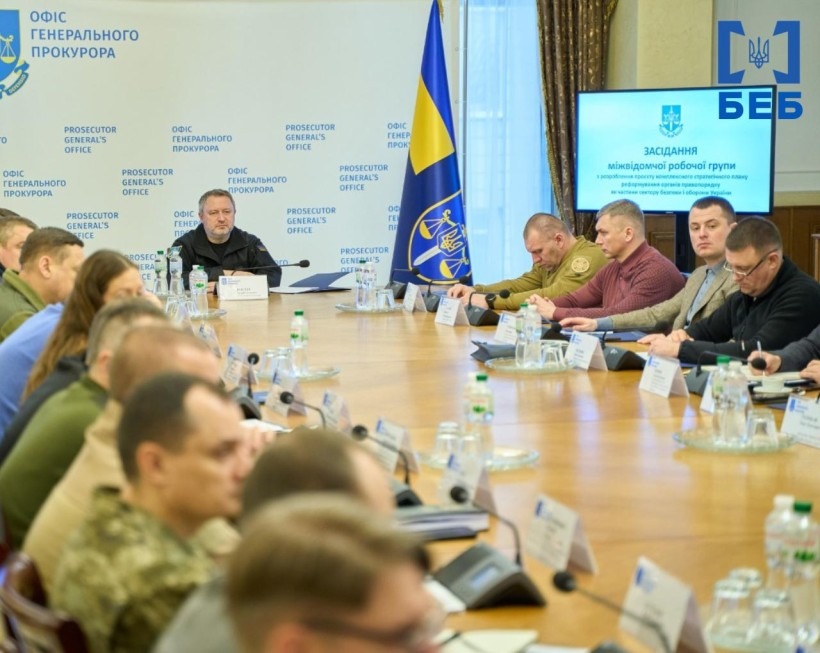
The ESBU joined the preparation of the Comprehensive Strategic Plan for the Reform of Law Enforcement Agencies
The Comprehensive Strategic Plan for the Reform of Law Enforcement Agencies as part of Ukraine’s security and defense sector for 2023–2027 will allow for the modernization of the security sphere and bring it into compliance with the standards Ukraine must achieve on its path to EU membership. It was the result of the Interagency Working Group’s efforts, established in accordance with the Prosecutor General's order on November 11, 2022. With the participation of law enforcement agencies and prosecution bodies, and in cooperation with international partners, the draft Comprehensive Strategic Plan was developed and approved.
«The plan outlines existing challenges that need to be addressed. These include the delimitation of competence, elimination of overlapping functions, optimization of criminal proceedings, ensuring accountability and transparency, and strengthening mechanisms for democratic civilian control, among others.
The plan also describes innovations without which strengthening the country's security under modern conditions is impossible. These include the digitalization of processes, result-oriented approaches, law enforcement access to automated information systems, the application of a risk-based approach, strategic forecasting, and so on.
By implementing these latest working methods, it is possible to change the core philosophy of the law enforcement function and shift the focus from solving crimes already committed to their prevention,» noted Vadym Melnyk, Director of the ESBU.
Based on the results of this work, six strategic priorities for reforming law enforcement agencies as part of Ukraine's security and defense sector were formulated.
Strategic priorities:
- Effectiveness and efficiency of law enforcement agencies and the prosecution service as an integral component of the security and defense sector, within which they ensure the national security of Ukraine, including public safety and order, and combat crime in view of strategic goals and in accordance with human rights standards, fundamental rights and freedoms, as well as the principles of gender equality.
The further development of the law enforcement system shall be carried out through the application of risk-based approaches, an intelligence-led focus, strategic management, and forecasting. - Consistent criminal policy, the priorities of which are crime prevention, the inevitability of accountability, the protection of individuals, society, and the state from criminal offenses, and ensuring the interests of the victim.
- Expeditious criminal proceedings in compliance with international standards and the principle of the rule of law.
- Results-oriented management system in accordance with established priorities.
- Comprehensive digital transformation.
- Openness, transparency, accountability, independence, and political neutrality.
The draft Comprehensive Strategic Plan developed by the members of the interagency working group will be submitted to the Office of the President of Ukraine for consideration.
A detailed list of tasks, measures, qualitative and quantitative indicators, and expected results for the further reform of law enforcement agencies will be reflected in an operational plan adopted to implement the Comprehensive Strategic Plan, which is subject to periodic updates.
Reference: The Comprehensive Strategic Plan applies to the prosecution service, the National Police of Ukraine, the State Border Guard Service of Ukraine, the State Bureau of Investigation, the Economic Security Bureau of Ukraine, the Security Service of Ukraine, and the State Customs Service of Ukraine.
The interagency group includes the heads of the Office of the Prosecutor General, the Ministry of Internal Affairs, the Ministry of Justice, the Security Service of Ukraine, the State Bureau of Investigation, the Economic Security Bureau of Ukraine, the National Police of Ukraine, the State Border Guard Service, the State Customs Service, as well as representatives of the Office of the President of Ukraine, the Cabinet of Ministers of Ukraine, and international experts from the European Union Advisory Mission (EUAM) Ukraine, the EU Project Pravo-Justice, the Council of Europe Office in Ukraine, and the International Development Law Organization (IDLO).
July 2022
The ESBU is developing its Institutional Development Strategy for 2022–2027
The Economic Security Bureau of Ukraine has initiated the development of the ESBU Institutional Development Strategy for 2022–2027. Strategic sessions with the Bureau's structural units are currently underway to formulate strategic initiatives. Development priorities will be discussed with international partners to actively engage donor support and ensure effective financial planning. To facilitate the proper implementation of the Institutional Development Strategy for 2022–2027, a roadmap will also be developed. These documents will be subject to continuous monitoring and adjustment in light of new risks, changing external circumstances, and global trends.
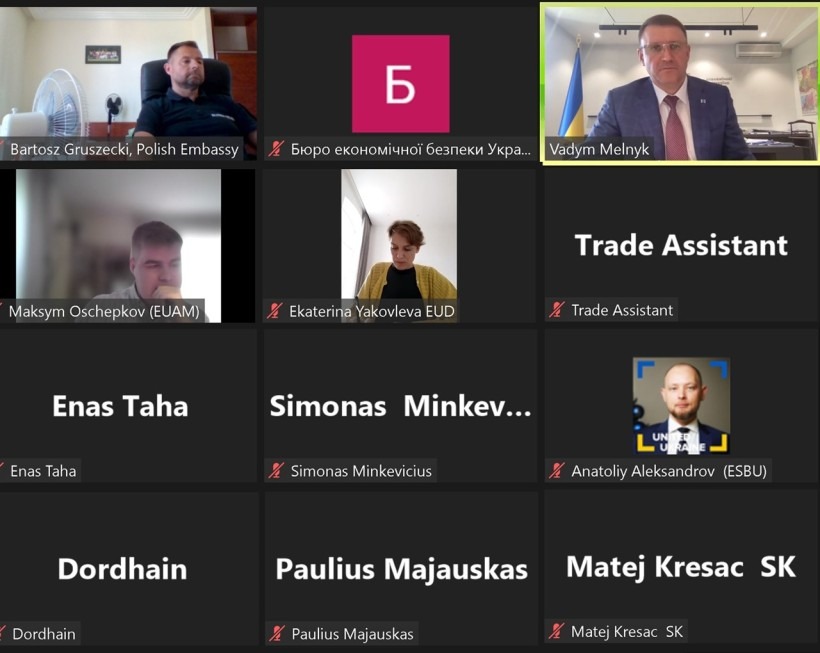
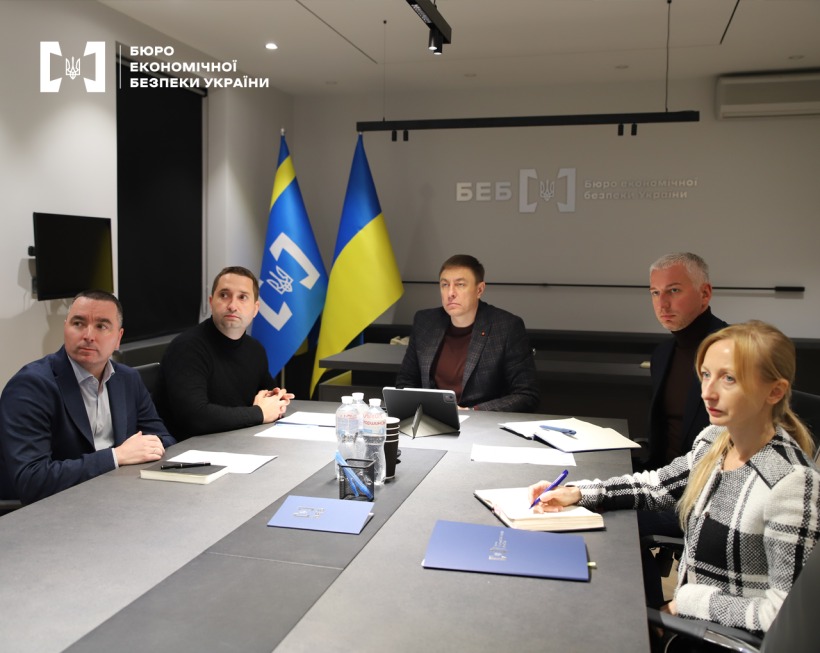
These matters were specifically discussed during the second meeting of the permanent advisory body, the «Sectoral Working Group on Support for the Development of Ukraine's Economic Security Sector.»
The online meeting was attended by representatives of international organizations, foreign diplomatic missions in Ukraine, and the Secretariat of the Cabinet of Ministers of Ukraine.
Participants discussed general organizational matters, the core pillars of the ESBU Institutional Development Strategy, and their assignment to potential donors. The Secretariat of the Sectoral Working Group was also approved. Simonas Minkevičius, Senior Financial Crimes Investigations Adviser at the European Union Advisory Mission (EUAM) Ukraine, and Vadym Melnyk, Director of the Economic Security Bureau of Ukraine, were elected as co-chairs of the Sectoral Working Group.
According to Bureau experts, with the assistance of international partners, the ESBU will implement a systemic approach to the prevention of and the fight against economic offenses.
«Preventing offenses, rather than merely addressing their manifestations, is among the primary tasks of the Bureau as the state’s lead analytical body. The ESBU builds cooperation with international partners on the principles of stability, responsibility, predictability, and efficiency. Support and, most importantly, a shared vision for the Bureau's development path are vital to us,» noted Anatolii Aleksandrov, Head of the International Cooperation Department of the ESBU.
As a reminder, the Sectoral Working Group was established in June 2022. Its objective is to ensure a systemic approach to implementing reforms in Ukraine's economic security sector in fulfillment of the National Security Strategy of Ukraine (approved by Presidential Decree No. 392/2020 dated September 14, 2020), to support the institutional development of the ESBU, to implement international best practices, and to attract international technical assistance.
Reference Information:
Sectoral Working Groups are established in coordination with the Secretariat of the Cabinet of Ministers of Ukraine for the purpose of:
- reviewing priorities and progress in the implementation of measures aimed at fulfilling the Government’s Program of Action in relevant areas of state policy;
- aligning with development partners on joint areas of cooperation within existing programs and material and technical assistance projects, as well as preparing future initiatives;
- integrating cross-cutting themes (gender equality, digitalization, anti-corruption activities, etc.) into sectoral operations.
Co-chairs of Sectoral Working Groups include heads or deputy heads of central executive bodies of Ukraine and representatives of development partners. If necessary, thematic subgroups may be formed within Sectoral Working Groups for cooperation in specific areas.